 By Trendsetter Tribune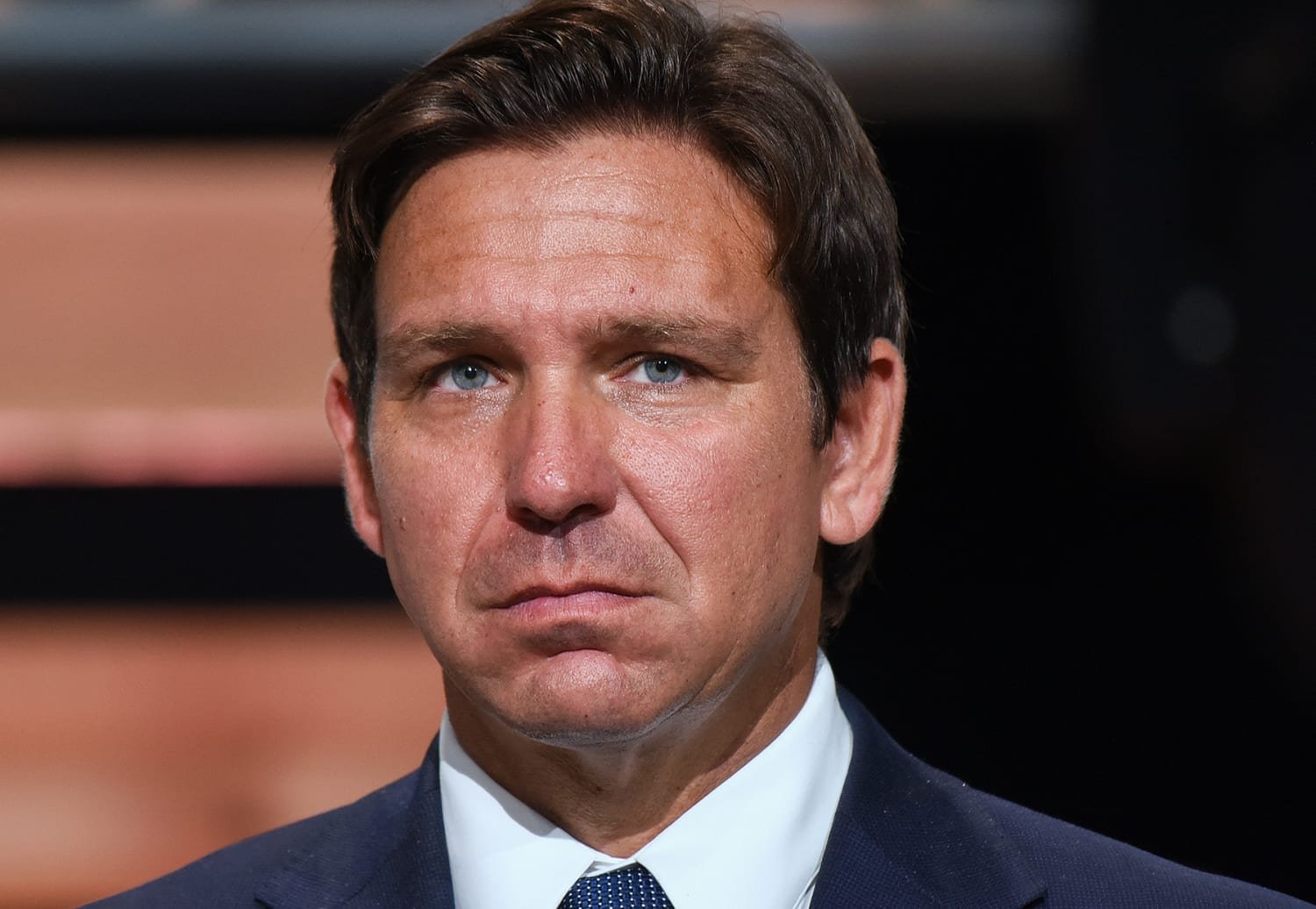
On Wednesday, April 1, 2026, Governor Ron DeSantis signed HB 991, officially known as the Florida SAVE Act, at a media event in The Villages. The law, which mirrors the core of the stalled federal Safeguard American Voter Eligibility (SAVE) Act, mandates that individuals provide documented proof of citizenship to register to vote in Florida.
Within hours of the signing, the ACLU and several voting rights organizations filed a federal lawsuit to block the measure, arguing it unconstitutionally disenfranchises eligible citizens who lack immediate access to birth certificates or passports.
Key Provisions of the Florida SAVE Act
The legislation marks one of the most significant overhauls of Florida’s election system in recent years, aiming to create a “multi-layered verification” process.
- Proof of Citizenship: Starting January 1, 2027, new registrants must provide documents such as a U.S. birth certificate, passport, or naturalization papers.
- Roll Maintenance: The Department of State is now empowered to cross-check the existing voter rolls against federal and state databases. Any voter flagged as a “potential non-citizen” will be contacted and required to provide proof or face unenrollment.
- Voter ID Restrictions: The law narrows the list of acceptable IDs at the polls. While it adds U.S. passport cards, it removes student IDs, retirement center IDs, and public assistance IDs as valid forms of identification.
- Candidate Disclosures: Federal and state candidates in Florida must now disclose if they hold dual citizenship or if they intend to trade stocks while in office.
The Legal Firestorm: ACLU v. Byrd
The lawsuit filed today by the ACLU, Florida Rising, and the League of Women Voters alleges that the law creates an “illegal poll tax” by requiring costly documents for a fundamental right.
| Argument | Platform |
| The “Paperwork Wall” | Advocates argue millions of Americans—particularly the elderly, low-income, and rural voters—do not have easy access to original birth certificates. |
| Discriminatory Impact | The suit claims the removal of student IDs and the burden on naturalized citizens disproportionately targets Democratic-leaning demographics. |
| Constitutional Conflict | Plaintiffs argue that the 1993 National Voter Registration Act (NVRA) prevents states from adding “onerous” requirements to the federal registration form. |
DeSantis vs. The Federal Government
The signing comes as the federal SAVE Act remains stalled in the U.S. Senate. DeSantis positioned Florida as a “blueprint” for other red states (following South Dakota and Utah) to enact the policy locally.
“Our constitution says only American citizens vote. This isn’t a suggestion; it’s a requirement. We’ve seen the song and dance—I sign it, they sue, a liberal judge stops it, we appeal, and we win. We are ready for the fight.”
— Gov. Ron DeSantis
Accompanying “Domestic Terrorist” Legislation
In a separate but related move, the Governor also signed HB 1471, which grants the state’s Chief of Domestic Security the power to designate organizations as “domestic terrorist organizations.”
- Campus Impact: Public universities are now barred from funding any campus activity that “promotes or supports” a designated group.
- K-12 Scholarships: Schools affiliated with such organizations are ineligible for state scholarship funds.
- The “CAIR” Precedent: Critics fear this will be used to codify the Governor’s previous executive orders targeting groups like the Council on American-Islamic Relations (CAIR), which a federal judge recently ruled was an unconstitutional infringement on free speech.