 By Trendsetter Tribune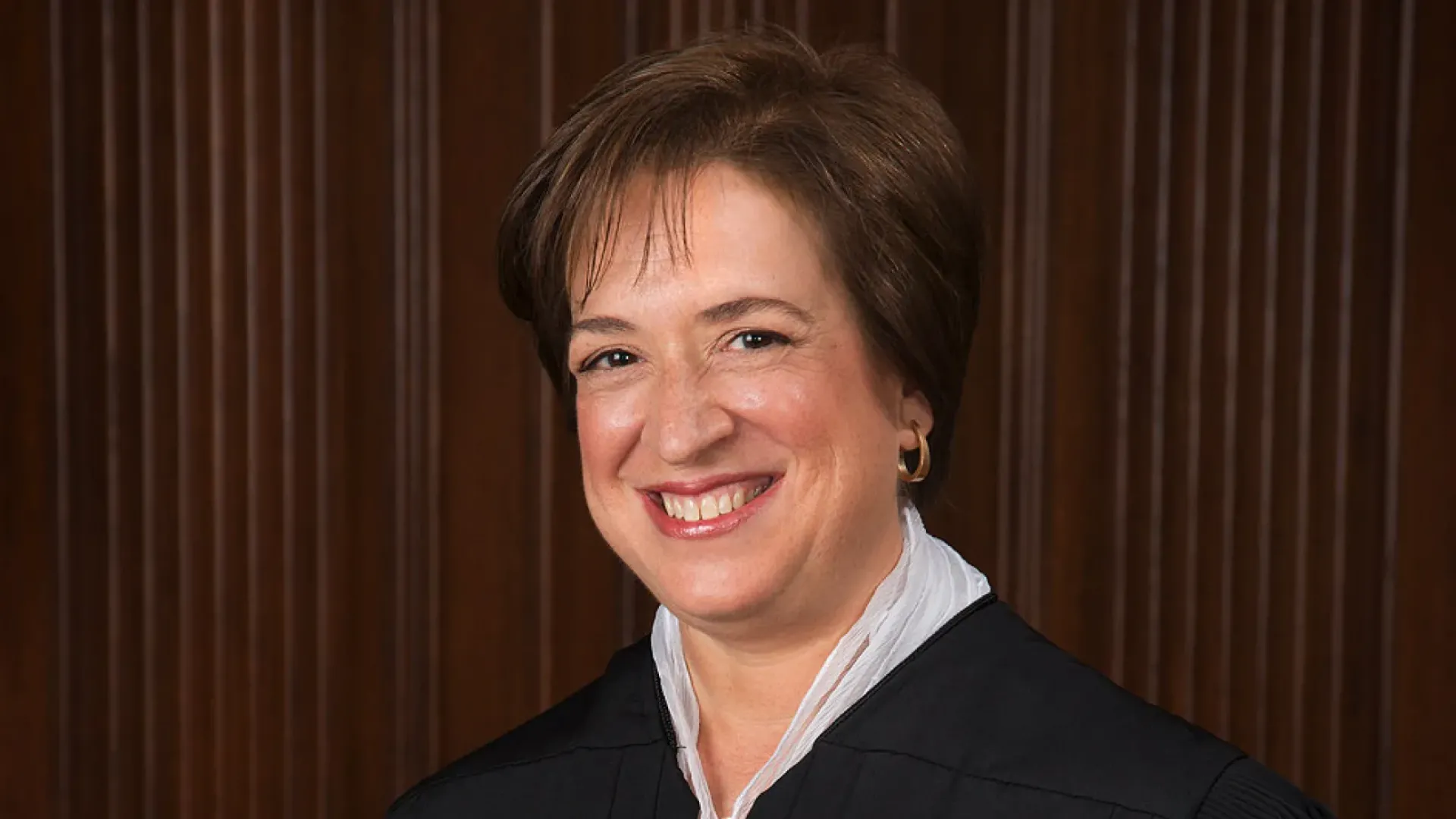
During the intense oral arguments for Trump v. Barbara on Wednesday, April 1, 2026, Justice Elena Kagan delivered one of the most pointed critiques of the administration’s legal strategy. She accused Solicitor General D. John Sauer of relying on “pretty obscure sources” to justify upending over a century of established constitutional law regarding birthright citizenship.
Kagan’s line of questioning targeted the administration’s “originalist” claim that the authors of the 14th Amendment never intended for children of undocumented immigrants to be “subject to the jurisdiction” of the United States.
The Clash Over “Jurisdiction”
The debate centered on whether “jurisdiction” means simple geographical presence (the standard since 1898) or a deeper “political allegiance” (the administration’s new argument).
- The Administration’s Source: Sauer cited 19th-century legal treatises and minority dissents from the Reconstruction era to argue that “jurisdiction” required the consent of the government to allow a person into the “national family.”
- Kagan’s Rebuttal: Justice Kagan interrupted to question the weight of these references. “You’re using some pretty obscure sources to override the plain text and 150 years of our own precedent,” she noted. She suggested that the administration was “cherry-picking” fringe historical theories to bypass the clear outcome of the landmark Wong Kim Ark (1898) case.
- The “Common Sense” Test: Kagan pressed Sauer on a practical point: “If a person commits a crime on U.S. soil, we prosecute them. If they owe taxes, we collect them. In what world are they not ‘subject to the jurisdiction’ of our laws and our courts?”
A Skeptical Bench
Kagan was not alone in her frustration. Her comments mirrored a broader skepticism from both the liberal and conservative wings of the court.
| Justice | Point of Contention |
| Justice Kagan | Labeled the government’s historical evidence as “marginal” and inconsistent with the 14th Amendment’s broad remedial purpose. |
| Justice Barrett | Questioned why the administration was trying to “read in” parental requirements that are absent from the constitutional text. |
| Justice Gorsuch | Warned against “making up” new legal tests to solve modern policy frustrations. |
Why the Sources Matter
The administration’s reliance on these “obscure” sources is central to their effort to bypass the 14th Amendment.
- Executive Power: By framing the definition of “jurisdiction” as an open historical question, the administration argues the President has the “interpretive authority” to clarify it via Executive Order 14160.
- Statelessness Risk: Kagan warned that following these fringe sources would lead to a “constitutional crisis” by creating a generation of stateless children—infants born in the U.S. who would have no legal home anywhere in the world.
The “No Kings” Backdrop
Outside the Court, Kagan’s “obscure sources” comment was immediately picked up by “No Kings” protesters. Demonstrators argued that the administration is attempting to “re-write the American contract” using legal theories that were rejected by the public and the courts over a century ago.
As the hearing concluded, legal analysts noted that Kagan’s critique likely signaled a solid bloc of justices who view the administration’s move as a “radical departure” from the rule of law.