 By Trendsetter Tribune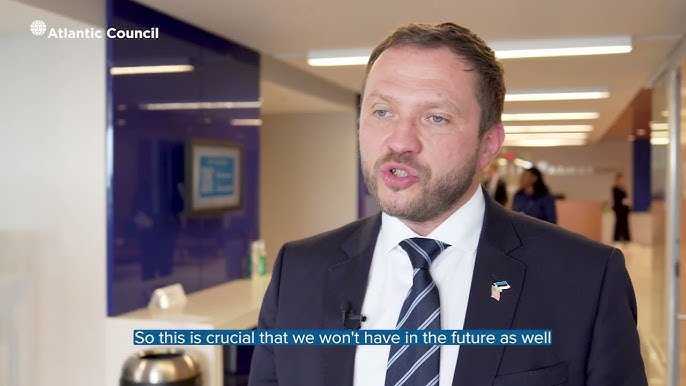
While major European powers like Germany and the UK have flatly rejected President Trump’s demands for a NATO-led naval mission in the Strait of Hormuz, Estonia has emerged as one of the few allies willing to come to the table.
On Monday, March 16, 2026, Estonian Foreign Minister Margus Tsahkna stated that Tallinn is “always ready” to hold discussions with the United States regarding the security of the strategic waterway, though he emphasized that any commitment would depend on a clearer understanding of the administration’s “strategic goals” for the Iran conflict.
The “Atypical” Estonian Stance
In a week where NATO unity has been tested by the President’s warning that the alliance faces a “very bad future” if members don’t assist in the Gulf, Estonia’s response stood out for its measured support:
- Linkage to Russia: Tsahkna highlighted that the security of Europe and the Middle East is “closely interconnected,” specifically pointing to Iran’s role as a primary supplier of drones and missiles to Russia for its war in Ukraine.
- Political Support, Not Combat: While open to discussion, Tsahkna clarified that Estonia is “not a part of this war” and currently views its role as political. He noted that Estonia’s primary focus must remain on NATO’s eastern flank and the ongoing aggression from Russia.
- The “Son” Warning: Defense Minister Hanno Pevkur has also weighed in on the broader Iranian crisis, noting that the naming of Mojtaba Khamenei as the successor to the Supreme Leader signals a “thirst for revenge” that could prolong the conflict.
The Contrast: Europe’s “No Appetite” for War
Estonia’s willingness to talk contrasts sharply with the “rebuff” from other key NATO and EU members:
- Germany & UK: German Defense Minister Boris Pistorius bluntly stated, “This is not our war,” while UK Prime Minister Keir Starmer ruled out any NATO mission, fearing it would draw Britain into a “wider war.”
- EU Position: EU Foreign Policy Chief Kaja Kallas (formerly Estonia’s Prime Minister) confirmed there is “no appetite” among member states to expand existing naval mandates like Operation Aspides into the Strait of Hormuz.
- The “Hormuz Corridor”: Kallas is instead pushing for a diplomatic “grain corridor” style agreement, similar to the Black Sea deal, to ensure global food and energy security without military escalation.
Strategic Divergence: US vs. Europe (March 2026)
| Region/Actor | Stance on Hormuz Mission | Primary Concern |
| United States | Demanding NATO Coalition | Energy security & “unconditional surrender” of Iran. |
| Estonia | Open to Discussion | Weakening the Iran-Russia “axis of drones.” |
| Germany/Spain | Rejected | Fear of regional escalation; Lack of NATO mandate. |
| United Kingdom | Rejected (NATO mission) | Protecting the “Special Relationship” while avoiding war. |