 By Trendsetter Tribune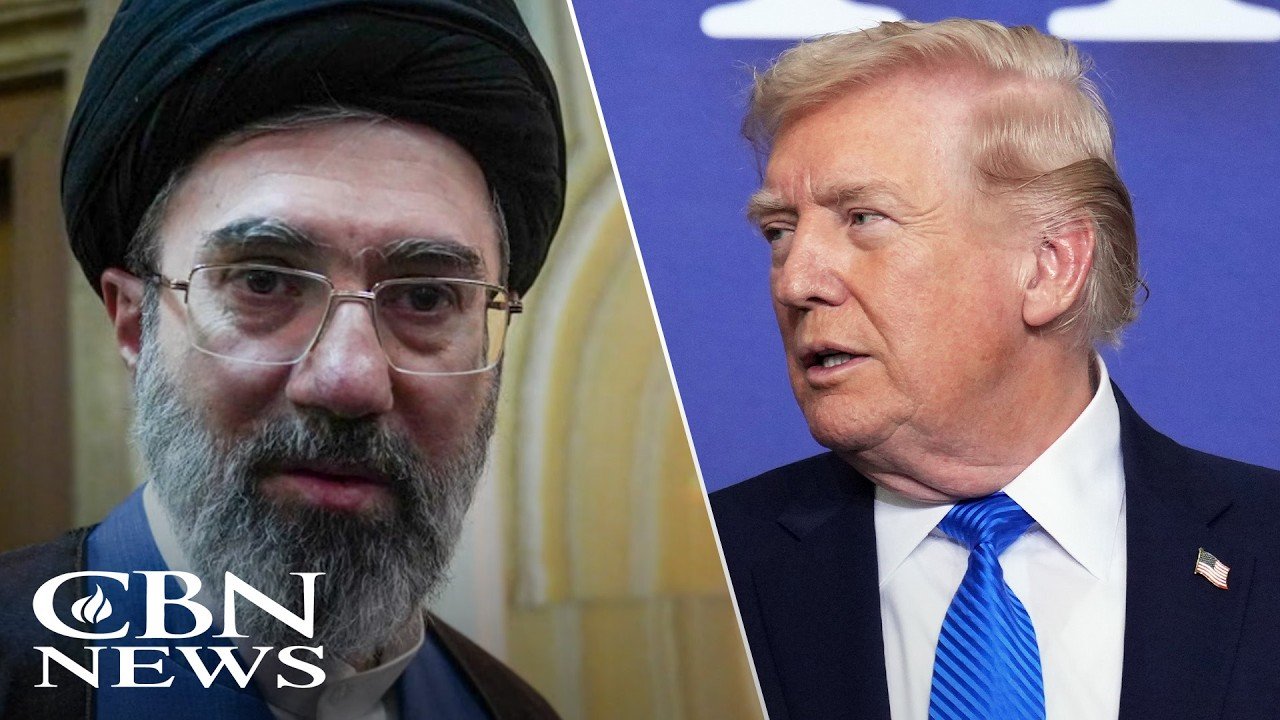
ISLAMABAD, Pakistan — As the world counts down the final hours of President Trump’s ultimatum to Iran, a feverish diplomatic effort is unfolding behind closed doors in Pakistan’s capital. High-level sources confirm that Islamabad has become the primary “secret channel” for a last-ditch effort to avert a massive regional escalation.
While the public rhetoric from Washington and Tehran remains combative, the “Committee of Four”—representing Pakistan, Turkey, Egypt, and Saudi Arabia—is working around the clock to bridge a seemingly impossible chasm.
The Vice President’s Potential Arrival
The stakes of the Islamabad talks were raised significantly following reports that the United States has offered a high-level delegation to meet in the city.
- The Vance Proposal: Diplomatic cables suggest that U.S. Vice President JD Vance has been designated to lead the American side should Iran agree to direct, face-to-face negotiations.
- The Iranian Counterpart: On the Iranian side, Parliament Speaker Mohammad Bagher Ghalibaf has been floated as a potential lead negotiator.
- The Venue: Strategic locations within Islamabad’s “Red Zone” are reportedly being secured, though the Pakistani Foreign Office continues to urge “discretion and responsibility” from the media to protect the sensitive process.
The 15-Point Framework
The “Islamabad Channel” isn’t just about talk; it is centered on a specific 15-point plan transmitted from Washington to Tehran via Pakistani mediators. Key pillars of the proposed deal include:
- A 30-Day Ceasefire: An immediate halt to all U.S.-Israeli strikes and Iranian proxy attacks.
- The Uranium Handover: Iran would be required to hand over its highly enriched uranium stockpiles to a neutral third party.
- The Hormuz Reopening: In exchange for a pause in sanctions, Iran would immediately lift its blockade of the Strait of Hormuz, allowing global energy markets to stabilize.
“Pakistan Zindabad” – A Thaw in Relations?
In a surprising digital olive branch, Iranian Foreign Minister Abbas Araghchi took to social media on Saturday to clarify that Tehran has “never refused to go to Islamabad.” Rejecting Western media reports of a dead end, Araghchi expressed deep gratitude to Pakistan and ended his message with the Urdu phrase “Pakistan Zindabad” (Long Live Pakistan).
This sentiment was quickly echoed by Pakistan’s Foreign Minister Ishaq Dar, who thanked his “dear brother” for the clarification, signaling that the diplomatic window, while narrow, remains open.
The Spoiler Factor
Despite the progress in Islamabad, “spoiler efforts” remain a constant threat.
- Military Buildup: Even as diplomats talk, the U.S. continues to move the 31st Marine Expeditionary Unit into the region, signaling that a ground invasion—potentially targeting Iran’s oil hub at Kharg Island—remains on the table if diplomacy fails.
- Targeted Sanctions: U.S. Secretary of State Marco Rubio recently revoked the residency status of several relatives of high-ranking Iranian officials, a move Tehran viewed as an act of bad faith during active mediation.
With less than 36 hours remaining until President Trump’s “Monday Deadline,” the world’s eyes are on the “Islamabad Channel.” Will it be the off-ramp the world needs, or the final footnote before a total war?