 By Trendsetter Tribune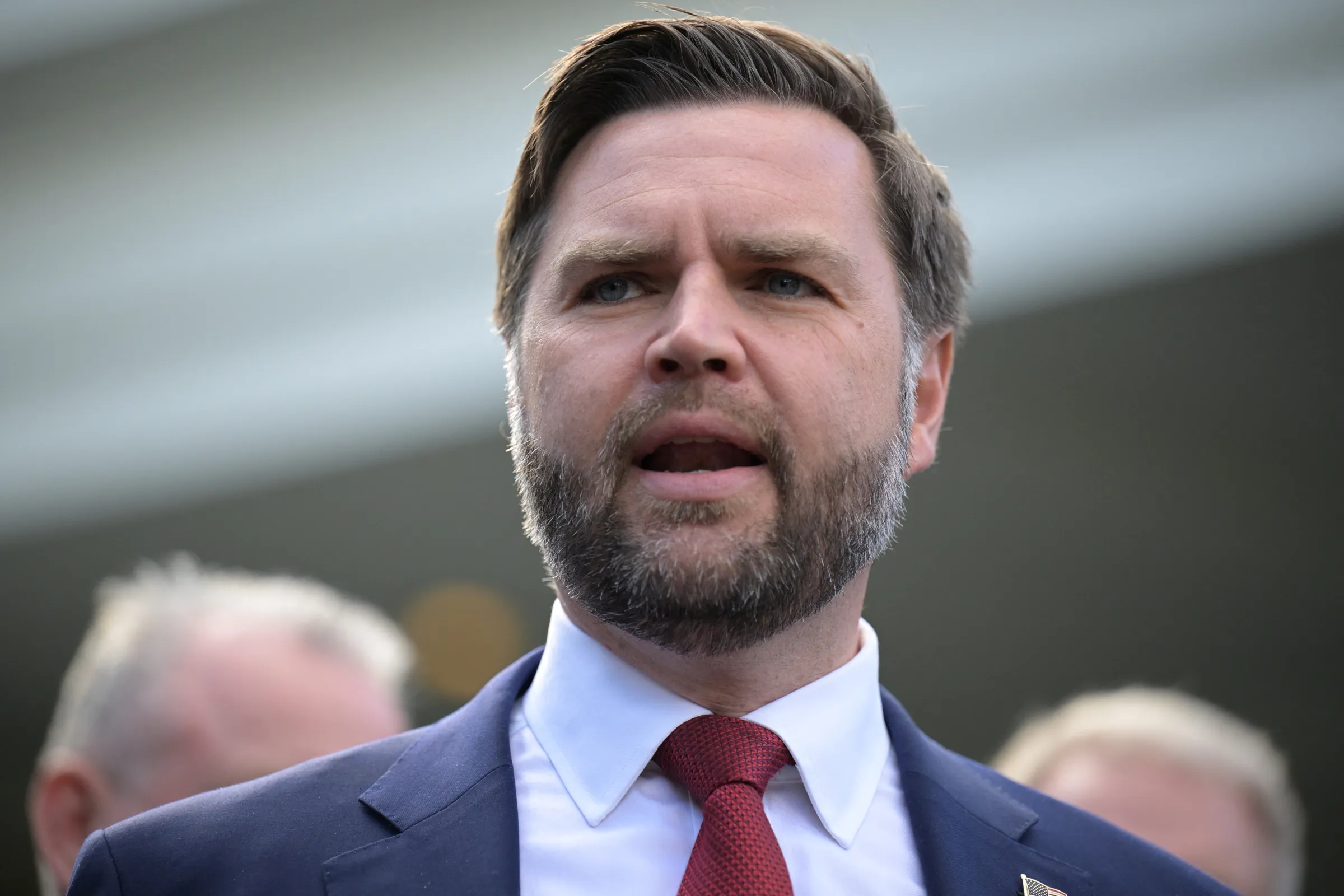
As the Trump administration’s five-day ultimatum to Iran looms, a high-stakes diplomatic chess match has emerged. While President Trump has threatened to “obliterate” Iran’s energy infrastructure if the Strait of Hormuz is not reopened by Friday, March 27, 2026, Tehran has reportedly issued its own specific condition for sitting at the table.
According to diplomatic sources in Pakistan and Turkey, Iran has signaled it will refuse to negotiate with the President’s primary Middle East envoys, Steve Witkoff and Jared Kushner, but has identified Vice President JD Vance as a “more acceptable interlocutor.”
The “Acceptable Interlocutor” Strategy
The reported “ultimatum” from the Iranian side isn’t a threat of force, but a strict demand regarding who speaks for the United States.
- The Rejection of Kushner and Witkoff: Iranian officials reportedly view Kushner and Witkoff as architects of a “deception” campaign. Tehran claims that previous talks led by this team were used as a distraction while the U.S. and Israel prepared for the current bombing campaign that began in late February.
- The Pivot to Vance: Vice President Vance is viewed by Tehran as a skeptic of “endless Middle East wars.” His past public comments expressing hesitation about deep military entanglement in the region have made him the preferred negotiator for an Iranian leadership looking for an “off-ramp.”
- The Venue: Pakistan has emerged as the likely host for these high-level talks. Army Chief Asim Munir and Prime Minister Shehbaz Sharif have been working the phones between Washington and Tehran to finalize Islamabad as the neutral ground.
The U.S. Response: Deadlines and Mixed Signals
The White House has maintained a complex public stance as the clock ticks toward Friday:
- The “Obliteration” Threat: President Trump has extended his original 48-hour ultimatum to a five-day window, warning that if the blockade of the Strait of Hormuz continues, the U.S. will move from military targets to “total destruction” of Iran’s power and oil grids.
- The White House Denial: Press Secretary Karoline Leavitt officially dismissed reports of a Vance-led meeting in Islamabad as “speculative,” stating the U.S. will not “negotiate through the news media.”
- The “Vance in a Bind” Narrative: Domestically, analysts note that Vance is in a delicate position. If he leads the talks and succeeds, he cements his 2028 credentials as a statesman; if he fails—or if the President proceeds with the “obliteration” plan anyway—he risks being tied to a conflict his base is historically skeptical of.
Market Impact
The mere rumor of Vance’s involvement and the five-day pause in energy strikes has had an immediate effect on global markets. Oil prices, which had been threatening to spiral toward $150 a barrel, dropped sharply to below $100 on Monday as traders bet on a diplomatic breakthrough.