 By Trendsetter Tribune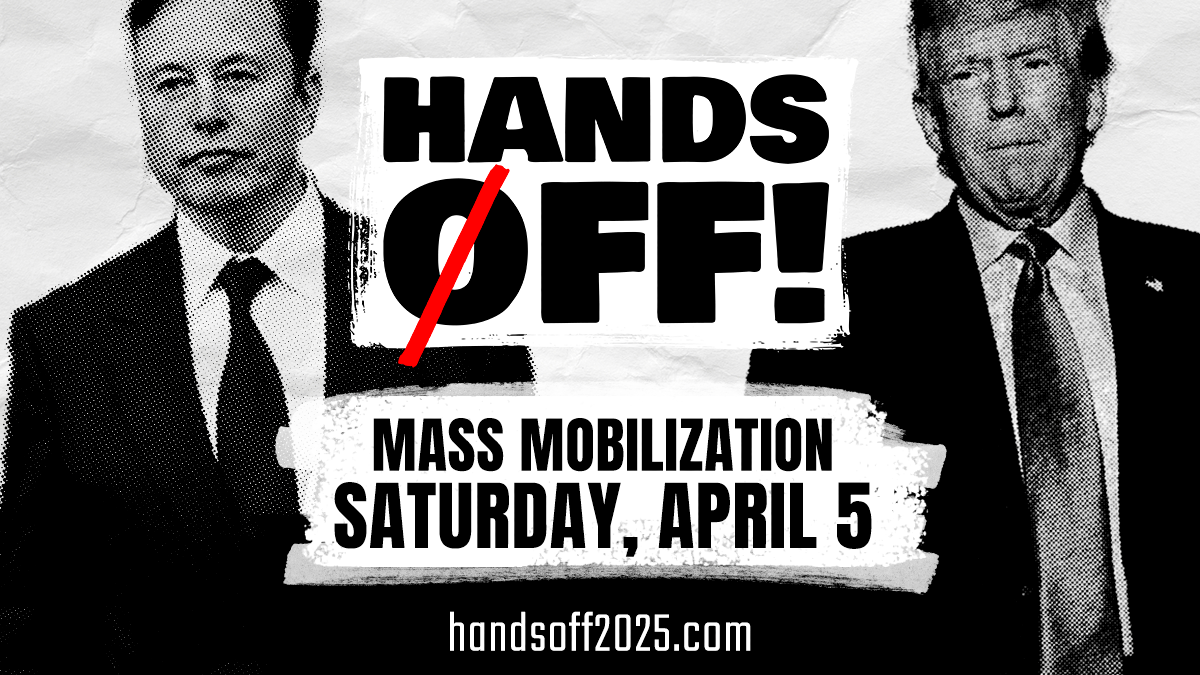
A nationwide general strike and mass mobilization, coordinated under the “Hands Off!” banner, is scheduled for Sunday, April 5, 2026. Building on the momentum of last year’s massive demonstrations, organizers from over 150 civil rights, labor, and student groups are calling for a day of “No Work, No School, No Shopping” to protest federal budget cuts, mass deportations, and the ongoing DHS shutdown.
While Sunday typically sees lower commercial activity, the scale of the planned walkouts across logistics, retail, and transit is expected to create significant disruptions heading into the work week.
Key Areas of Impact
Organizers have targeted specific “chokepoints” in the economy to maximize the visibility of the strike.
1. Transportation and Logistics
- Transit Delays: Major urban centers, particularly Chicago, New York, and Minneapolis, are expected to see reduced bus and rail service as transit union members participate in “sick-outs” or solidarity rallies.
- Delivery Services: Independent contractors and gig workers in the “last-mile” delivery sector (Amazon, DoorDash, Uber) have been heavily recruited for the strike, which could delay package and food deliveries nationwide.
- Commuter Impact: Expect heavy congestion near state capitols and federal buildings, where “No Kings” and “Hands Off!” rallies are scheduled to converge.
2. Retail and Food Service
- Local Closures: In “strike-heavy” cities, many small businesses and restaurants have announced they will close for the day, either in solidarity or because they anticipate staffing shortages.
- The “Great American Boycott”: Consumers are being urged to refrain from all spending. National chains like Starbucks and McDonald’s are primary targets for picket lines and digital boycotts.
3. Public Services and Schools
- Education: While most K-12 schools are closed on Sunday, many university campus workers and student organizations are planning “teach-ins” and walkouts starting Sunday evening and extending into Monday morning.
- Federal Services: Because of the ongoing partial government shutdown, many services (Social Security offices, IRS help centers) are already shuttered or operating with “skeleton” crews. The strike is expected to further disrupt the few remaining essential federal functions.
Strike Participation by Sector
Unlike previous demonstrations, the April 5 action is being led by a more militant wing of the labor movement, focusing on sectors where labor withdrawal has immediate economic consequences.
| Sector | Expected Impact Level | Primary Concern |
| Warehousing | High | Protesting the “hollowing out” of safety regulations and labor rights. |
| Healthcare | Moderate | Nursing and emergency staff are largely exempt due to safety, but “off-duty” rallies are planned. |
| Gig Economy | High | Demanding protections against recent federal “independent contractor” reclassifications. |
| Public Sector | Variable | Limited by Taft-Hartley restrictions, though “informational picketing” is expected. |
The “Battle of Minneapolis” Influence
The April 5 strike is heavily influenced by the “Battle of Minneapolis” earlier this year, where a citywide strike successfully forced a temporary retreat of ICE tactical units following the death of Alex Pretti. Organizers are hoping to replicate that “economic pressure” model on a national scale to force a reopening of the government and a freeze on the current immigration offensive.
Security and Safety Warnings
Law enforcement agencies in major cities have been placed on high alert.
- Counter-Protests: “Back the Blue” and pro-administration groups have signaled they will hold counter-demonstrations, particularly in Nashville and D.C., raising the risk of confrontations.
- Travel Advisory: If you are traveling through a major metropolitan hub on Sunday, expect significant delays and localized street closures near government centers.