 By Trendsetter Tribune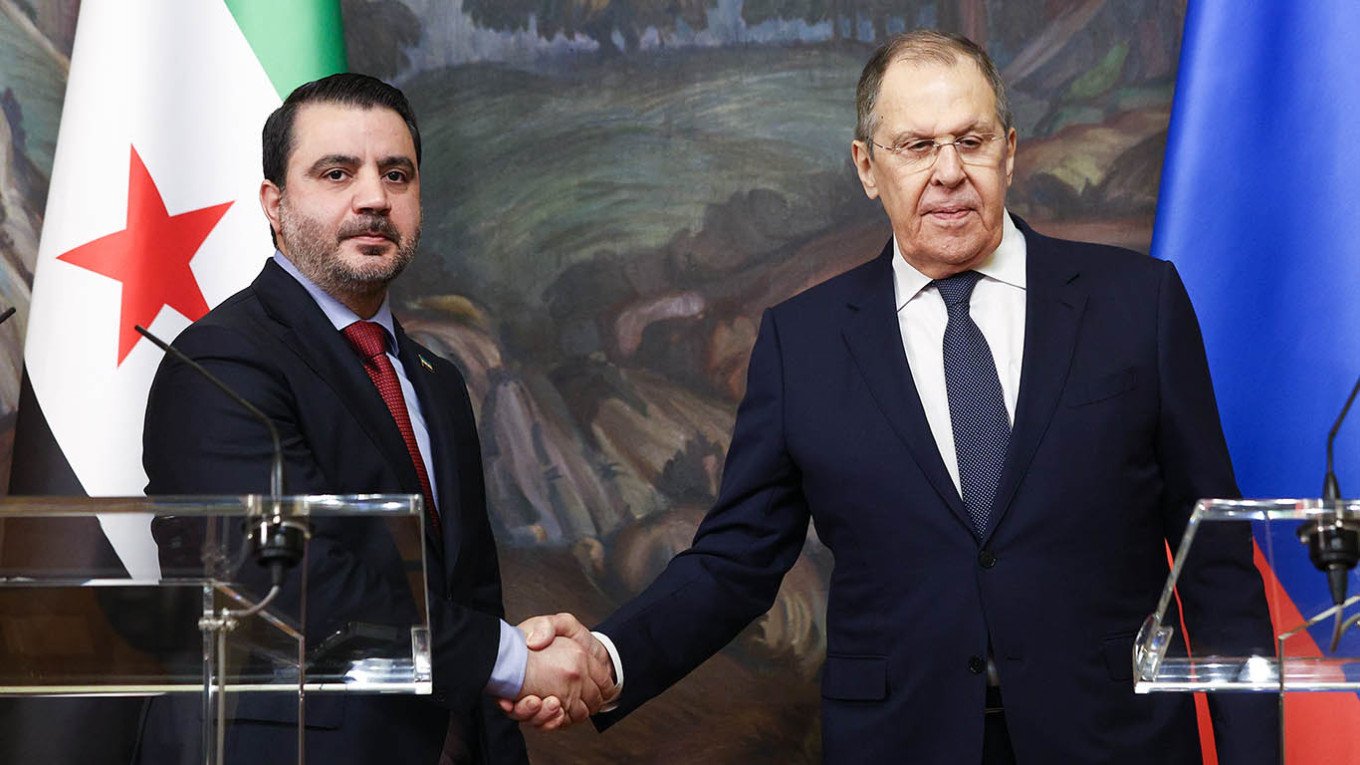
Russia has withdrawn from a strategic military base in northeast Syria, signaling a major realignment as Moscow seeks closer ties with Syria’s new government.
Russia has quietly abandoned its military base at Qamishli airport in northeast Syria, marking a significant shift in Moscow’s role in the country as pro-government forces move to seize control from Kurdish authorities.
The rapid withdrawal of Russian troops and equipment suggests a recalibration of Moscow’s priorities following the fall of longtime ally Bashar al-Assad. Russia now maintains only two military bases in Syria, both located along the Mediterranean coast, and the redeployed personnel and hardware are expected to be redirected to the war effort in Ukraine.
Russian forces had been stationed at Qamishli airport since 2019, operating in Kurdish-controlled territory. However, after Assad was deposed in 2024, Moscow declined to intervene militarily, instead opening channels with Syria’s new president, Ahmed al-Sharaa. Once an Islamist militant leader, al-Sharaa has repositioned himself as a pro-Western figure and visited the Kremlin this week for talks with President Vladimir Putin.
Kremlin spokesman Dmitry Peskov confirmed that discussions included economic cooperation and Russia’s remaining military presence in Syria, signaling that Moscow is prioritizing long-term strategic assets over isolated outposts.
On the ground, the Russian departure was swift and visible. When journalists arrived at the base in late January, flags were being taken down, vehicles were packed with supplies, and buildings stood empty. Local shopkeepers complained that Russian soldiers had left without settling small debts, underscoring the sudden nature of the evacuation.
Syrian Kurdish officials say Russia has effectively abandoned Kurdish regions as Islamist militias and tribal forces advance. Abdulkarim Omar, a senior Kurdish figure, said Moscow appears willing to sacrifice its presence in the northeast in order to preserve its key air and naval bases on Syria’s western coast.
Russia’s pullback comes as the United States also reconsiders its role. Washington has reportedly ended its long-standing partnership with Kurdish forces, backing Damascus’ push to reassert centralized control. U.S. officials have begun relocating thousands of detained Islamic State fighters from Kurdish custody to Iraq as Kurdish-run facilities fall under government pressure.
Both Moscow and Washington now appear aligned behind al-Sharaa’s leadership, a shift that has left Kurdish forces increasingly isolated. Regional powers including Turkey and Israel have emerged as dominant players in the new Syria, further narrowing Russia’s influence despite its continued coastal presence.
As Syria enters a new phase, Russia’s exit from Qamishli highlights how quickly alliances are changing — and how strategic interests now outweigh past loyalties.