 By Trendsetter Tribune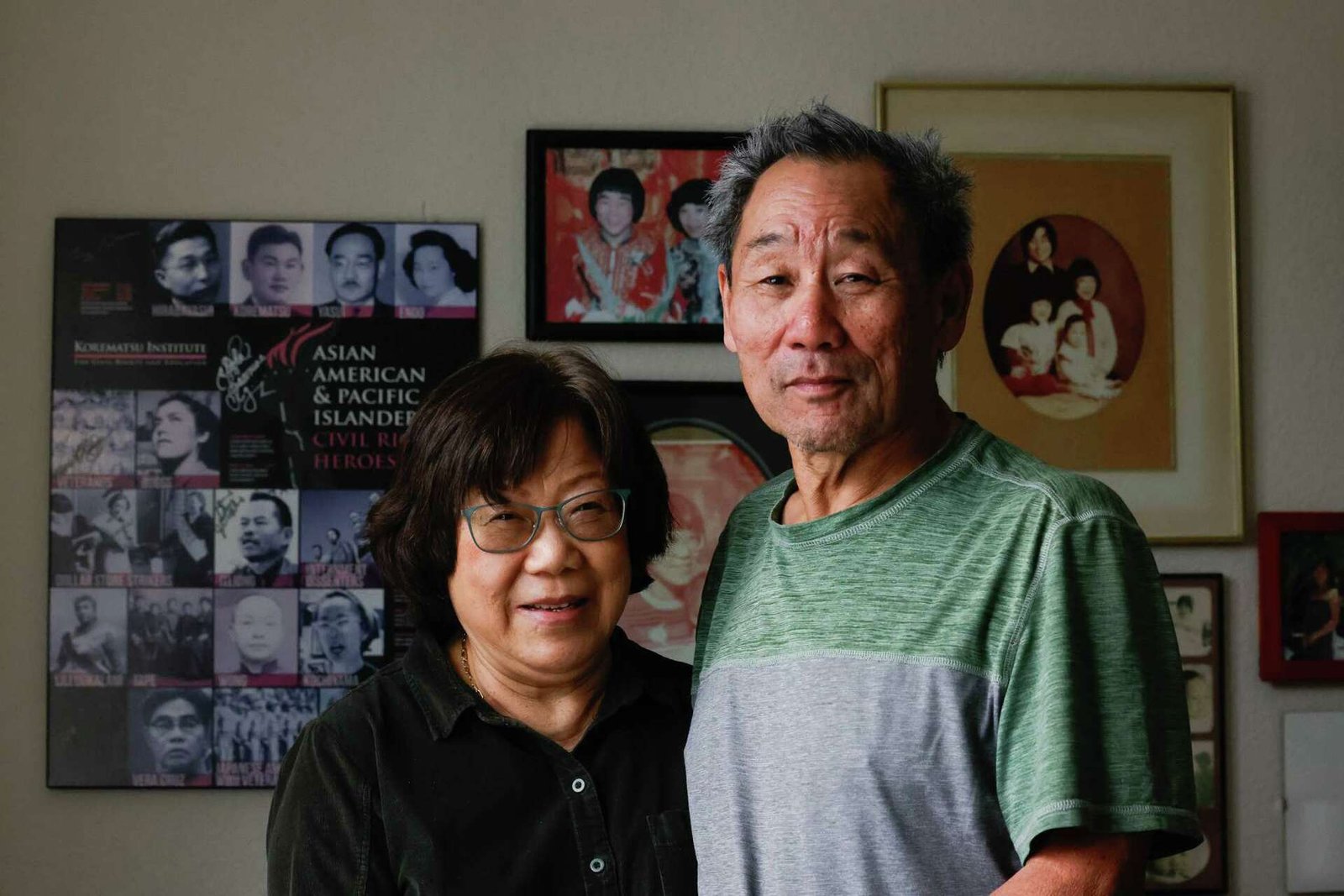
As the Supreme Court prepares for the landmark oral arguments in Trump v. Barbara this Wednesday, April 1, 2026, a 75-year-old retired carpenter in San Francisco is feeling a profound sense of “historical whiplash.” Norman Wong, the great-grandson of Wong Kim Ark, says the current administration’s attempt to end birthright citizenship feels like a direct echo of the “fervent anti-Chinese sentiment” his ancestor faced 128 years ago.
The 1898 Precedent: United States v. Wong Kim Ark
To understand the stakes of Wednesday’s hearing, one must look back to the 1898 case that defined American identity for the 20th century.
- The Conflict: Wong Kim Ark, a cook born in San Francisco to Chinese immigrants, was denied reentry to the U.S. after a trip to China. The government argued that because his parents were “subjects of the Emperor of China,” Wong was not truly “subject to the jurisdiction” of the U.S.
- The Ruling: On March 28, 1898, the Supreme Court ruled 6-2 in Wong’s favor. Justice Horace Gray wrote that the 14th Amendment’s Citizenship Clause “affirms the ancient and fundamental rule of citizenship by birth within the territory… including all children here born of resident aliens.”
- The Impact: This case established jus soli (right of the soil) as the bedrock of American citizenship, protecting the children of all immigrants from being rendered “stateless.”
Echoes in 2026: Trump v. Barbara
Now, Norman Wong watches as the current administration challenges that very foundation through Executive Order 14160, signed on January 20, 2025.
| Feature | The 1898 Case | The 2026 Case (Trump v. Barbara) |
| Core Argument | Allegiance to a foreign emperor overrides birth on U.S. soil. | Undocumented status of parents prevents a child from being “subject to U.S. jurisdiction.” |
| Target Population | Chinese immigrants during the Exclusion Act era. | Children of undocumented immigrants and temporary visa holders. |
| Legal Strategy | Narrowing the 14th Amendment to exclude specific “races.” | “Restoring original meaning” to exclude those with “temporary” ties. |
| Scale | Individual test case for one man. | A class action representing 150,000+ infants born since Feb 2025. |
“A Permanent Subclass”
Norman Wong, who only discovered the full details of his great-grandfather’s legacy later in life, has become a vocal advocate for the CASA and ACLU-led challenges.
- The Danger of Statelessness: Wong points to the “Dominican Republic harbinger,” where similar changes in 2010 rendered thousands of people stateless over several generations.
- Family Legacy: “My great-grandfather fought so that I could be an American without question,” Wong told reporters in front of a mural of his ancestor in San Francisco. “To see this being debated again in 2026 is like watching the clock turn backward.”
The “Barbara” Class Action
The case heading to the Court on Wednesday is named for “Baby Barbara,” a child born in New Hampshire to parents with temporary status whose citizenship was denied recognition by federal agencies following the 2025 order.
- The Injunction: Lower courts have blocked the order so far, calling it a contradiction of “century-old untouched precedent.”
- The DOJ Position: The Solicitor General is expected to argue that the 1898 Wong Kim Ark ruling only applied to “lawful permanent residents” and does not extend to those in the country illegally—a distinction that constitutional scholars warn would create a “permanent subclass” of millions of U.S.-born residents.