 By Trendsetter Tribune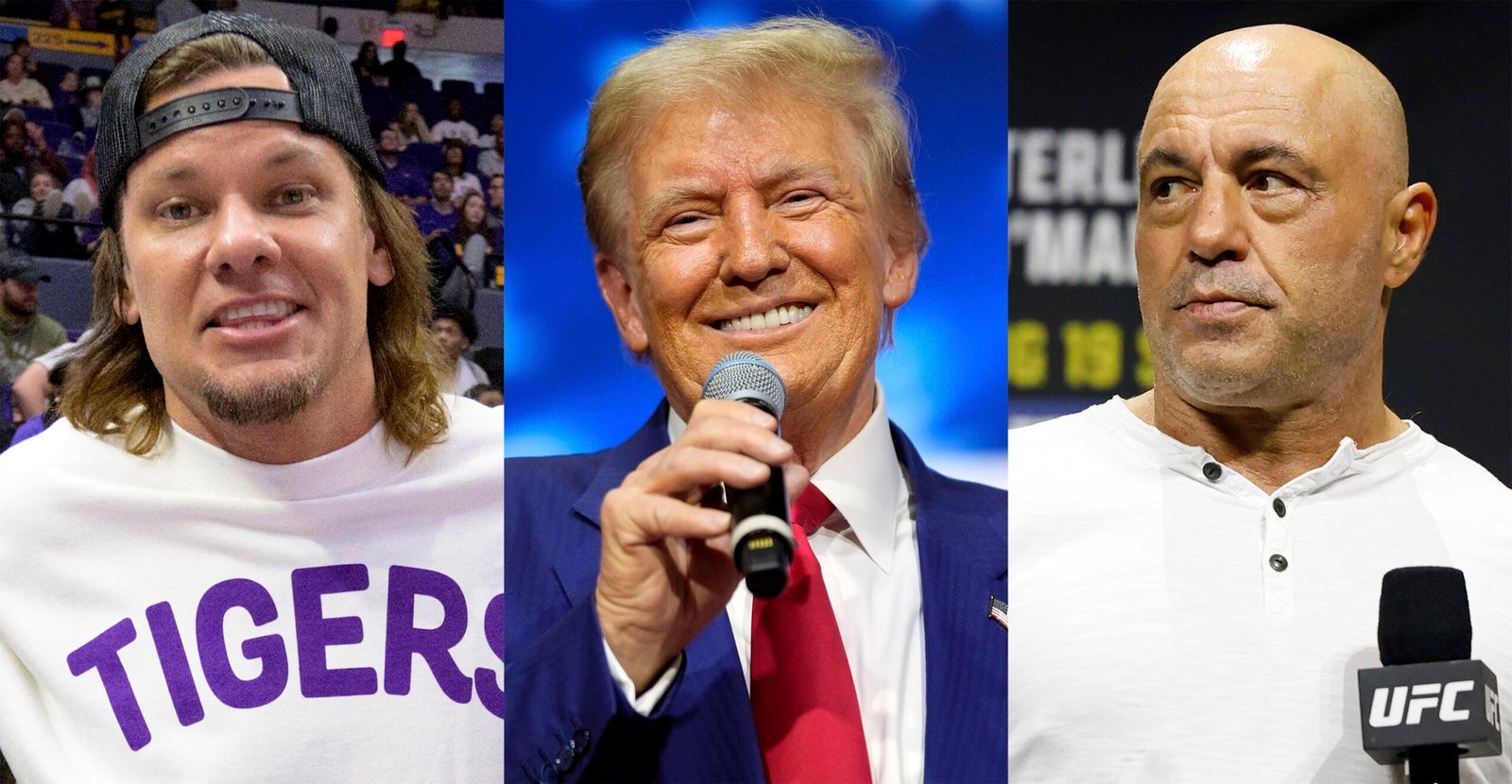
As of Tuesday, March 31, 2026, a significant shift is occurring in the digital landscape that helped secure the 2024 election. Journalists and media analysts are reporting a “five-alarm fire” for the GOP as prominent podcasters and “manosphere” influencers—who once hailed the President as an anti-establishment hero—are increasingly treating the administration as a “cultural punchline.”
The trend, highlighted in recent segments on MS Now and Katy Tur Reports, suggests that the “rebel” energy that once fueled the MAGA movement is curdling into irony and regret.
The Catalyst: “Insane War” and Authoritarian Overreach
The primary driver of this shift appears to be the ongoing conflict in Iran and the administration’s increasingly aggressive domestic policies.
- The Rogan Pivot: Joe Rogan, who famously endorsed the President in 2024, has recently shifted to a more critical stance. On a March 2026 episode, Rogan reportedly slammed the “insane” war in Iran, expressing a sense of betrayal shared by many in his audience.
- The “Cultural Punchline”: Comedians like Andrew Schulz and Theo Von, who previously provided friendly platforms for the President’s “troll king” persona, are now reportedly using their shows to mock the administration’s “erratic” behavior. Journalists note that the same “shock factor” that made the President a kindred spirit to roast comics is now being turned against him as his actions have “real-life consequences” that are no longer seen as a joke.
- Approval Ratings: This cultural distancing coincides with a major polling slump, with the President’s approval rating dipping below 40% as younger male voters—the core demographic of these podcasts—react to rising living costs and the threat of military escalation.
Key Voices Turning the Tide
Analysts point to several specific instances where the “Rogansphere” has signaled its departure from the MAGA tent:
| Figure | 2024 Stance | March 2026 Shift |
| Joe Rogan | Official endorsement; called Republicans the “new punk rock.” | Slammed the Iran war as “insane”; expressed feeling “betrayed” by the administration. |
| Andrew Schulz | Hosted a viral Flagrant interview; praised “outsider energy.” | Reportedly expressing “deep regret”; now frames the President’s actions as crossing “freedom of speech” lines. |
| Theo Von | Discussed addiction and the opioid crisis in a friendly 2024 sit-down. | Shifted tone to skepticism; now treats the administration’s “antics” as a source of comedy rather than policy. |
| Tim Dillon | Often leaned into the “shock factor” of the MAGA movement for satire. | Realizing the “real-life consequences are no joke” as the political climate grows more chaotic. |
The “No Kings” Influence
The massive “No Kings” protests that swept the country last weekend have provided additional fodder for these creators.
- Viral Dissent: Progressive media outlets like MeidasTouch have seen explosive growth by bridging the gap between legal analysis and the “brotherly banter” style of comedy podcasts, effectively competing for the same audience that once belonged exclusively to the Right.
- The “Diaper Don” Return: Satirical hashtags and memes—once a staple of the anti-Trump resistance—have returned to the mainstream, often amplified by the very influencers who helped suppress them during the 2024 cycle.
GOP “Freakout”
Republican strategists are reportedly alarmed by this loss of “cultural coverage.” Without the protective layer of “irony” provided by these comedians, the President’s rhetoric is being viewed through a more traditional—and more critical—political lens. Nicolle Wallace recently noted that the “podcast bros” are realizing that the anti-establishment “rebel” they supported has become the very “establishment” they claimed to despise.